Cacao in Ancient Mesoamerica
The first chocolate was a drink. Long before bars existed, cacao was a frothy, spiced drink in Mesoamerica. How it was made, who drank it and why beans were used as money.
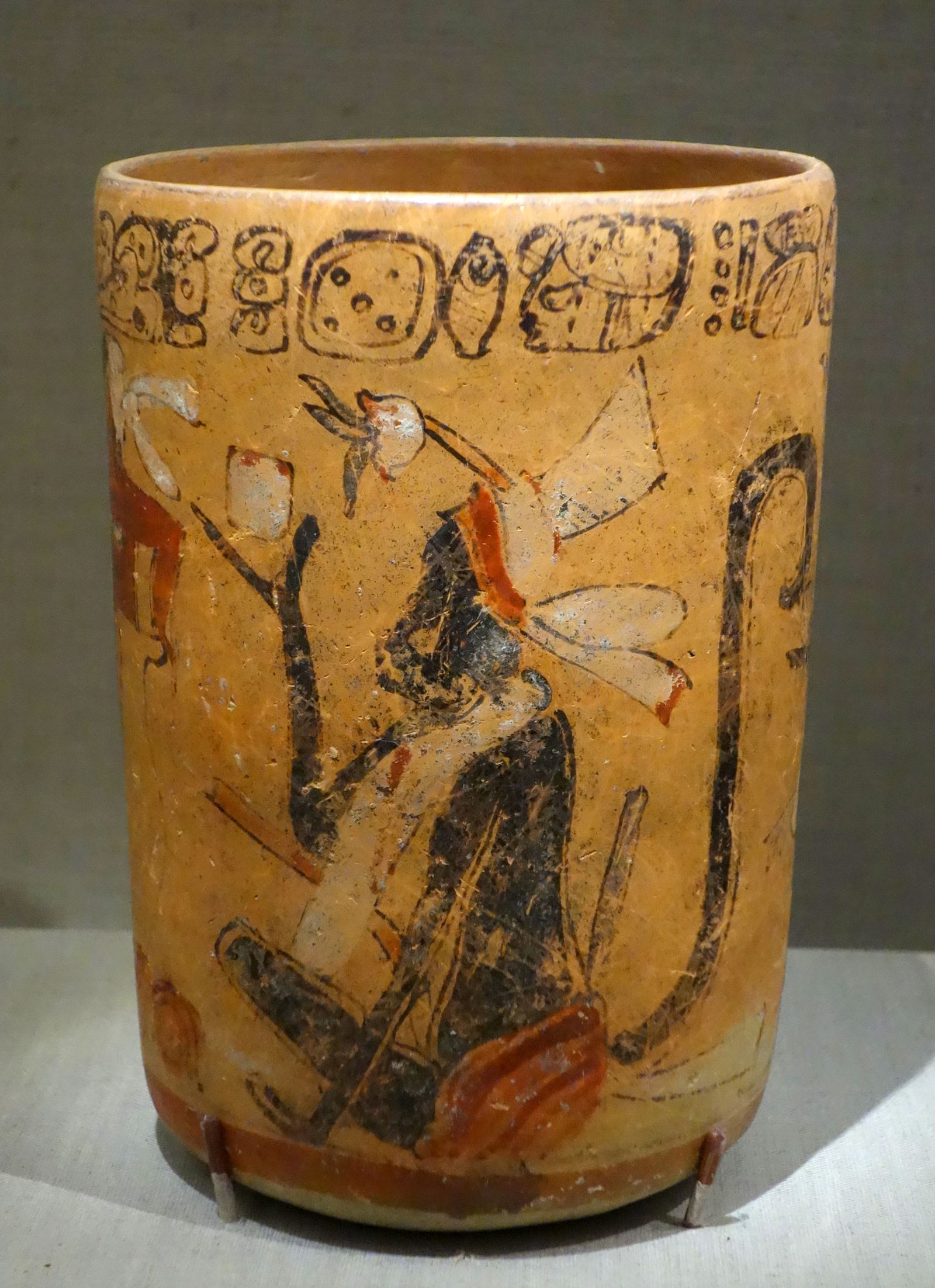
Maya vase with a cacao tree: Daderot, CC0
Where the story begins
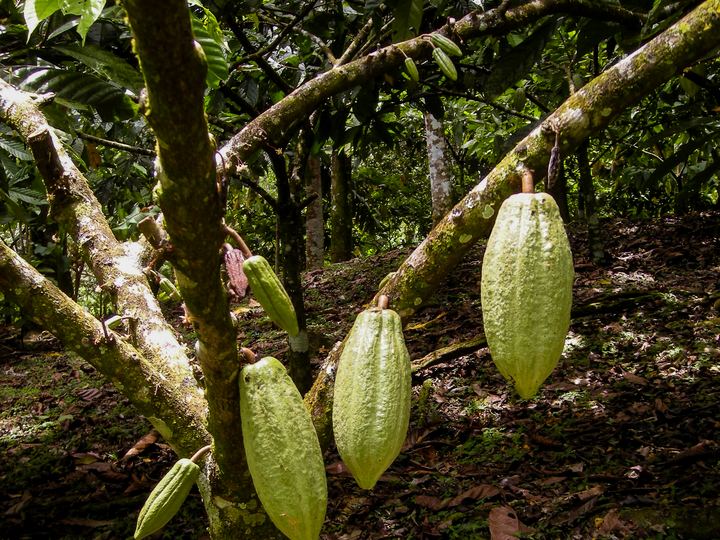
The cacao tree is native to the Amazon rainforest, and the oldest evidence of people using it comes from southeast Ecuador, where the Mayo-Chinchipe culture left cacao traces in pottery at least 5,300 years ago. Scientists found cacao starch grains, theobromine residue and fragments of cacao DNA inside the vessels.
From South America the tree travelled north. On the Pacific coast of Chiapas, in today's Mexico, people were drinking bitter, frothy cacao drinks by about 1900 BC. Later the Olmec, the Maya and the Aztecs all made cacao part of their food, trade and celebrations.
A frothy drink, not a bar
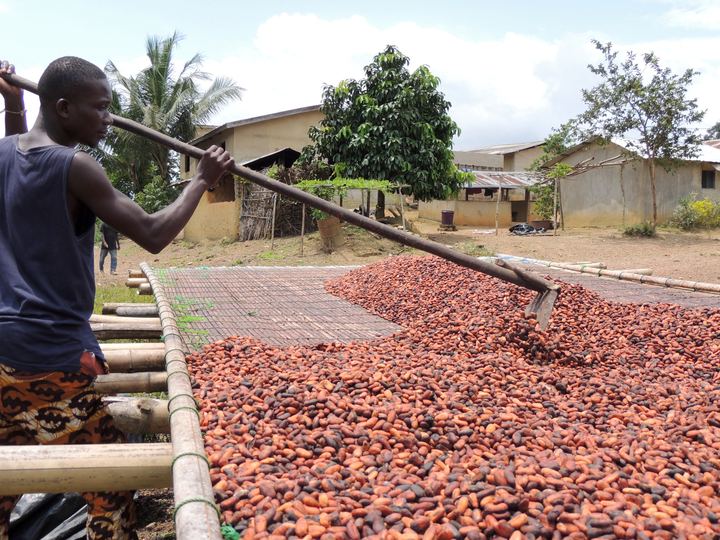
For thousands of years chocolate was something you drank. Beans were fermented, dried and roasted, then ground on a flat stone called a metate into a thick paste. The paste was mixed with water and flavoured with dried chili, vanilla, fragrant flowers, honey or red annatto.
The foam was the prize. Makers poured the drink from a height between two vessels to whip up a rich brown froth, and judged quality by its colour and aroma. Cinnamon, which many people now link with Aztec chocolate, only arrived later from across the ocean. In the highland Aztec world, frost kept cacao trees from growing, so beans were carried in from warmer regions such as Soconusco.
Beans that worked as money
Cacao beans were valuable enough to be used as currency. A list recorded in 1545 noted that one bean could buy a large tomato, thirty beans a small rabbit and a hundred beans a turkey hen. Fake beans were a real problem: people shaped counterfeits from amaranth dough, wax and even pieces of avocado pit.
Drinking chocolate was largely a luxury for rulers, nobles and long-distance traders, and it was served at feasts, weddings and ceremonies. Many people in the region regarded cacao as a gift from the gods.
Where the word came from
The word chocolate reached English through Spanish. It was first recorded in Spanish in 1579 and in English in 1604, but its exact origin is still debated. Early texts use cacahuatl, meaning cacao water, and scholars have proposed several Nahuatl and Nawat roots, including one possibly linked to beating cacao into foam.
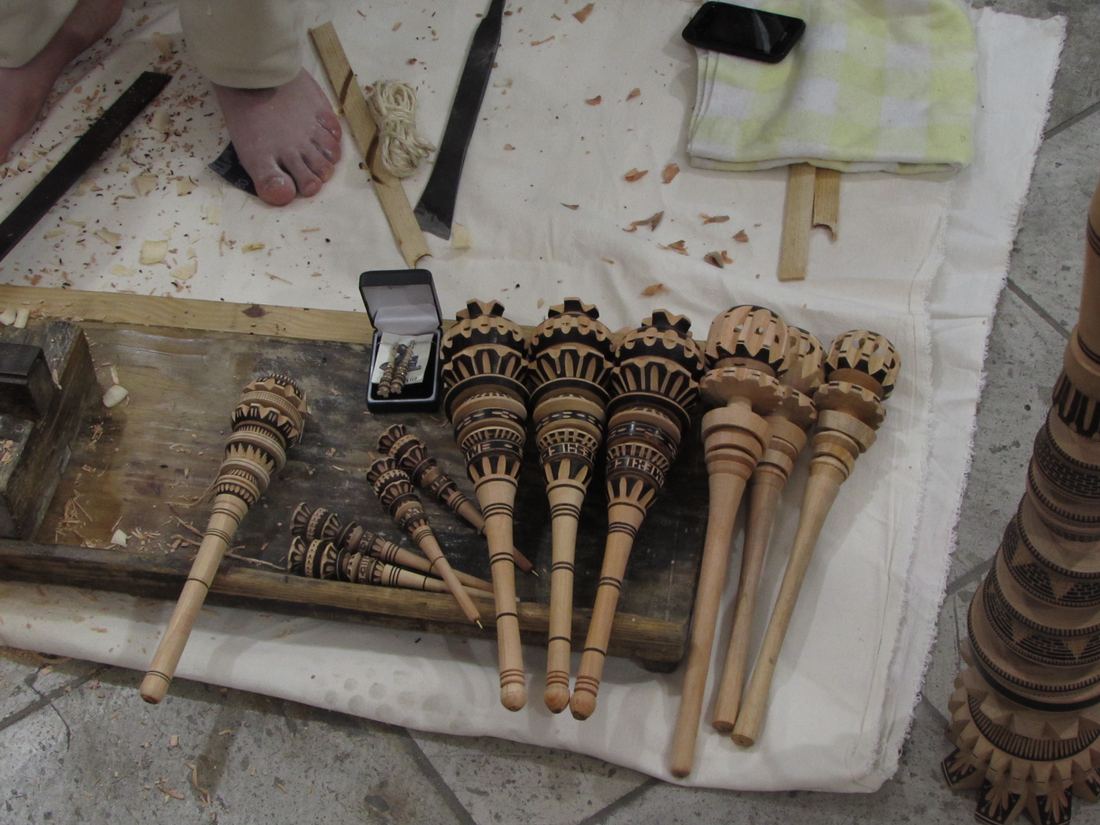
Whatever the true origin, the drink itself survives. In Mexico today, a carved wooden whisk called a molinillo is still spun between the palms to froth hot chocolate, a direct link to the foamy cups of the past.
- Maya vase with a cacao tree: Daderot, CC0
- Molinillo whisks, Oaxaca: Reginarodes, CC BY-SA 4.0
Text written by Chocolate Era.